
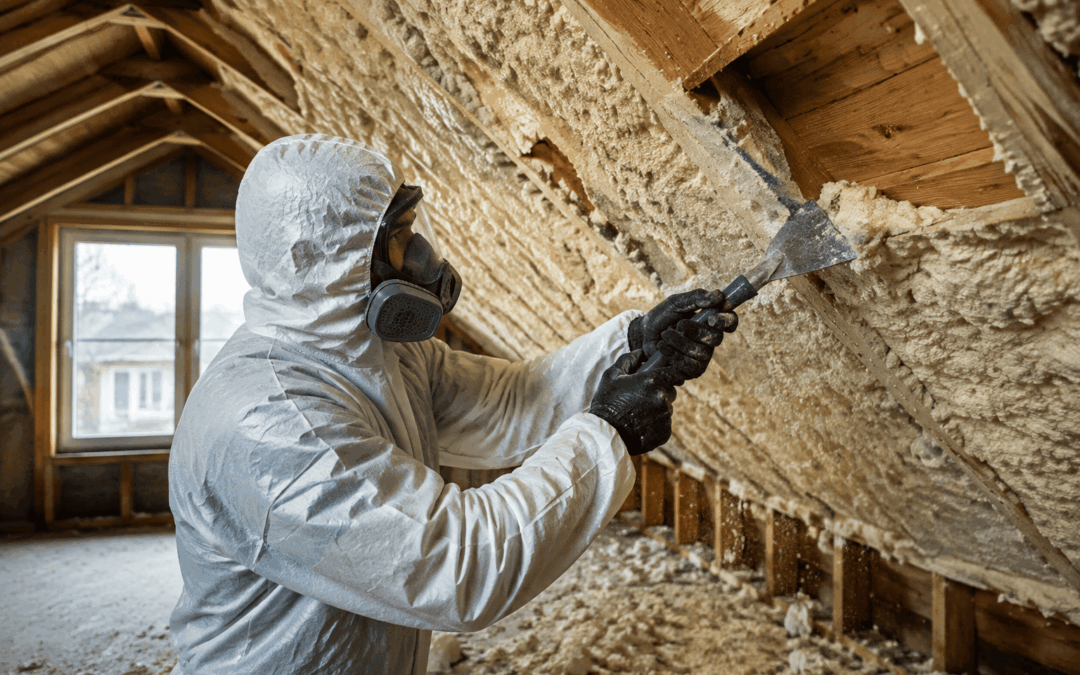
People are primarily opting for removing spray foam due to mortgage refusals and property sales rejections. Many have concerns that trapped moisture leads to wood rot, hidden damp, and timber decay. The real spray foam damage comes from poor installation and improper curing. Open cell foam removal is relatively easier and can be done by scraping or peeling. Closed-cell foam removal requires professional expertise to prevent damage to the underlying roof membranes. DIY is risky. Working with a licensed professional like Southern Twist Spray Foam Inc ensures proper roof maintenance and prevents costly damage.
Inside the Spray Foam Insulation Crisis: Why Many are Ripping it Out?
Do you have concerns about spray foam insulation in your home? Spray foam insulation (SPF) is highly effective for air sealing but can pose serious risks if mixed improperly, installed incorrectly, or applied poorly. Uncertified foam or poorly installed insulation revealed during the buyer’s inspections can result in a home value drop by 10% to 25%. Explore our guide to understand the reasons why people want to remove spray foam insulation.
| Spray Polyurethane foam has been in the market for over 60 years and can reduce energy consumption in buildings by up to 50%. |
The Real Estate and Mortgage Nightmare
Buyers relying on home loans may face hurdles as many lenders refuse to issue mortgages on homes with spray foam insulation. Since it is applied directly to the underside of the roof deck or sheathing, surveyors view it as a red flag, as it makes it difficult to inspect the timber for rot and assess the condition of the roof.
Trapped Moisture and Rot
Your roof needs to breathe to stay healthy, just like all of us. Improperly installed spray foam or applied directly to rafters or poorly ventilated spaces can cause severe timber decay. Spray foam damage includes trapped moisture and condensation against wooden joists, resulting in costly repairs.
Hidden Structural Issues
Woodworm infestation, cracks, rust, and decay can grow undetected under insulation for years until the damage is catastrophic. Spray foam often blocks the ventilation paths, preventing air circulation. Trapped moisture leads to silent progressive wood rot, mold, insect damage, or hidden leaks.
Maintenance Concerns
Installing spray foam insulation results in restricted maintenance. As it bonds aggressively to building materials, repairs and maintenance become difficult. If you want to run new electrical wiring or replace a broken tile, tradespeople have to dig out the hardened foam, making home maintenance costly and time-consuming.
Poor Application Issues
Incorrect mixing, improper substrate preparation, or wrong environmental conditions cause off-gassing, structural stress, and membrane shrinkage. Applying too much results in exerting immense pressure on your structure, which can warp or break timber roof structures, leading to removal and expensive repairs.
Misleading Practices
DIY work or poor installation devalues your property. Homes fitted with the wrong type of insulation or installed without adequate assessments face severe consequences. Botched retrofits cost hundreds and thousands in property repairs and render properties difficult to sell. Removing insulation is often the only way to salvage your roof.
| According to the EPA, improperly mixed or poorly installed spray foam insulation can emit VOCs (volatile organic compounds) during the curing process that are up to 1000 times higher than normal levels. |
Open Cell vs Closed Cell Spray Foam Removal
| Features | Open Cell Spray Foam | Closed Cell Spray Foam |
| Material Texture | Soft, Pliable, spongy | Rigid, hard, dense. |
| Removal Process | Open cell foam removal is usually done by cutting, scraping, or peeling off in large chunks. | Closed cell foam removal requires aggressive mechanical techniques like scraping, sawing or specialist dry ice blasting. |
| Damage Risk | Low to moderate. Tears cleanly without exerting high pull strength on wood. | High risk. A strong bond can tear underlying roof membranes or damage structural rafters. |
| Time and Cost | Faster and cheaper. Easier for standard contractor labor. | Time-consuming and highly labor-intensive. Professional specialists are required. |
Open Cell Problems
- Unlike dense closed-cell, open-cell is permeable. Improper installation often traps moisture and condensation, creating a breeding ground for mold, wood rot, and decay.
- Open-cell insulation is like a foam that absorbs water. It can hide roof leaks that damage its thermal efficiency.
- Since the open-cell covers the structural beams, it makes it impossible for surveyors to detect any roof damage, leading to mortgage refusal or expensive insulation removal requirements.
- A tight seal significantly reduces natural airflow, leading to high humidity indoors.
- Improperly mixed insulation (at the wrong temperatures and ratios) fails to adhere properly, creating gaps that allow conditioned air to escape.
- An open cell is soft and fragile. Bumping items into it in the attic can tear or compress it.
Closed Cell Problems
- Trapped moisture cannot escape the impermeable vapor barrier, which can breed mold and rot over time.
- Water can travel beneath the foam layers, causing extensive damage before becoming visible.
- Many insurance companies view it as a major risk as a rigid barrier hides the source of roof and plumbing leaks.
- It can delay or ruin property sales as buyers struggle to secure financing.
- Improper curing releases toxic fumes (VOC off-gassing), posing health and respiratory risks.
- Plumbing and wiring encapsulated in the insulation make future repairs difficult and costly.
| If you face mortgage issues, instead of immediate removal, gather your installation paperwork (like product warranties and installation certificates), and contact the installers or the Insulation Manufacturers’ Association (IMA) for guidance on getting a proper inspection. |
Conclusion
Total encapsulation creates major survey, insurance, and mortgage red flags, often devaluing the property. A sealed roof space conceals problems, making it expensive and difficult to fix underlying issues. If you are facing problems or have concerns about your insulation, consultation with an experienced installer can help you address any issues safely.
FAQs
Can you do DIY spray foam removal?
DIY is strongly discouraged. Removing spray foam is a labor-intensive and messy process and is linked to toxic exposure. Improper removal causes damage to roof tiles, structural wood, and embedded wiring. Specialized roofers can safely remove spray foam insulation using dry ice blasting.
Do I need to remove spray foam insulation if my roof is in good condition?
Not necessarily. If the spray foam was applied correctly by a professional installer and there are no signs of trapped moisture or moisture issues, it does not need to be removed. Many problems arise due to poor, non-compliant repairs.
Why do mortgage lenders and surveyors dislike spray foam insulation?
Because spray foam completely coats roof timbers, it blinds surveyors from assessing the structural integrity of the roof. Leaks and rot remain undetected under spray foam insulation. That is why some insurance companies may refuse mortgages or equity release on properties that feature spray foam.