
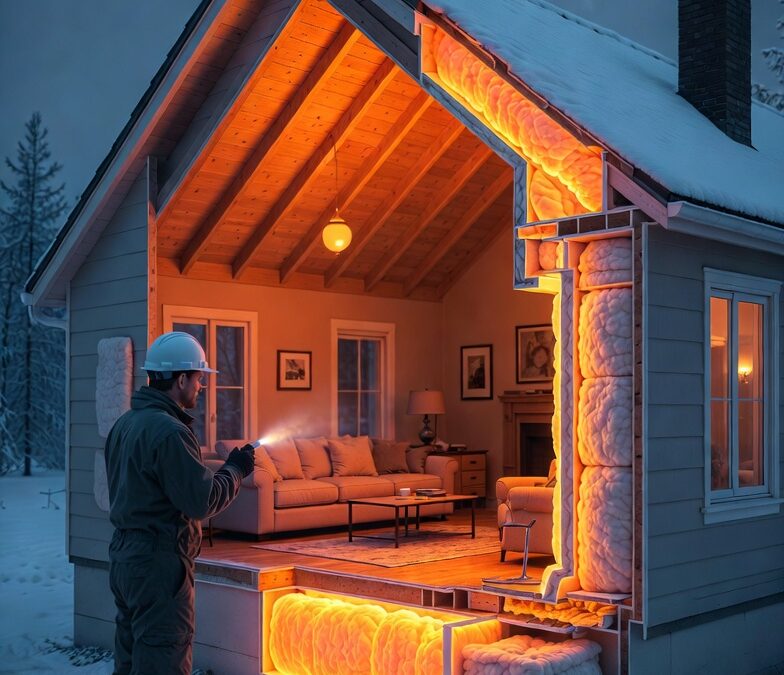
When your house is too cold during winter or too hot during summer, it may not necessarily be your heating or cooling system, but it may be in your air leaks. Many homeowners overlook one of the most effective ways to improve comfort and efficiency by ignoring Air Sealing and Insulation. By sealing cracks and insulating the house, you are assured that your household will be more energy-efficient and it will not experience temperature fluctuations throughout the year.
What Is Air Sealing and Insulation?
Air Sealing and Insulation refers to the process of sealing holes, cracks, and openings in the walls and structure of a home in such a way that cold or hot air would not leak. These leakages tend to occur around windows, doors, attic, pipes or wires passing through walls, or electrical outlets. With good insulation added to these closed places, you have a more constant temperature in your house, and your heating and air conditioning do not have to work as hard.
According to the U.S Department of Energy, air leaks are able to give rise to a significant portion of the energy that a home consumes. One of the most inexpensive methods of saving on energy is to fix such leaks.
Why Air Sealing Matters for Energy Efficiency
Leaks in the air allow the passage of warm or cool air and external air. This, in turn,n causes the HVAC to labor more, consuming more energy and causing the temperatures in your rooms to be uneven.
Homeowners are able to reduce unnecessary energy consumption and feel comfortable indoors by installing air sealing and insulation. Research has indicated that a house can be sealed and insulated to reduce the amount of heating and cooling requirements, making it a viable method by which money is saved in the long run.
Common Areas Where Air Leaks Occur
Understanding where leaks are most likely to occur is essential for effective Air Sealing and Insulation. The most common spots are:
* Attics and roof joints
* Around windows and doors
* Singular attenuated electrical outlets and switch plates.
* Areas where the plumbing or wiring goes to the house.
* Basements and crawl spaces
Such little loopholes might seem to be insignificant, but they can cost a lot of energy.
Benefits Beyond Energy Savings
The greatest advantage is a lower energy bill,s but there are more advantages to air sealing and insulation:
Improved Indoor Comfort
Sealing prevents drafts and maintains the inside temperature constant, which makes the house comfortable at all times of the year.
Better Indoor Air Quality
Dust, pollution, and allergens are allowed in the air through air leaks. Proper sealing makes the air in the house cleaner and healthier.
Moisture Control
The free movement of air may bring moisture to walls and ceilings and lead to mold and destruction. Sealing prevents all these problems.
Reduced HVAC Wear and Tear
As the heating and cooling systems do not have to work hard, wearout will be slowed down, and thus they might last longer.
The Air Sealing Process
The process of professional air sealing and insulation normally involves an elaborate inspection followed by addressing the problems identified.
Home Energy Assessment
The initial process is typically an energy audit in order to identify air gaps and leaks. Technicians can use tools such as a blower door or thermal camera in order to locate areas of trouble.
Sealing Gaps and Cracks
Some typical sealants include caulk, weather stripping, spray foam, and gaskets. They seal orifices around the windows, doors, and the utility entrances into the house.
Adding or Upgrading Insulation
Once the leaks are closed, the insulation is implemented or enhanced to increase thermal performance. It is a combination that will provide maximum energy efficiency.
DIY vs. Professional Air Sealing
Other individuals attempt simple sealing jobs on their own, such as installing weatherstripping or caulking minor cracks. These may be of some assistance. However, a professional Air Sealing and Insulation is more comprehensive.
Professionals possess the necessary tools and resources to detect concealed leaks and close them in a proper manner. In larger projects or houses with a lot of age, it is best to hire professionals.
Final Thoughts
You do not necessarily have to implement big changes in order to make a home comfortable and energy efficient. Frequent significance of the small but effective issues is the easiest to achieve, such as air leaks.
Air sealing and insulation are powerful remedy that enhances comfort, reduces energy waste, and improve general home performance. Homeowners will be able to maintain indoor temperatures, clean the air, and conserve energy in the long term by sealing up and improving insulation. Whether in self-importation or with experts, air sealing is a clever initiative towards an efficient and comfortable living environment.
FAQs
What is Air Sealing and Insulation?
It is the process of sealing gaps and cracks in a home to prevent air leaks, combined with insulation to improve energy efficiency.
How much energy can air sealing save?
Air sealing can significantly reduce energy loss, with some studies suggesting noticeable reductions in heating and cooling usage.
Can I do air sealing myself?
Basic tasks like caulking and weather stripping can be DIY, but professional services are recommended for thorough sealing.
How do I know if my home has air leaks?
Common signs include drafts, uneven temperatures, and higher energy bills. A professional energy audit can confirm leaks.
Does air sealing help with indoor air quality?
Yes, it prevents outdoor pollutants, dust, and allergens from entering the home, improving overall air quality.